The Complete Guide to AI in 2025: What You Need to Know

Introduction
Artificial Intelligence has crossed another milestone in 2025, redefining not just how we work and live—but how we interact with the digital and physical world. From AI-powered agents completing tasks autonomously to humanoid robots entering the workforce, this year marks a critical turning point. This guide breaks down the most important AI developments, tools, and real-world applications you must know to stay ahead.
Next‑Gen AI Models & Agents
GPT‑4.5 & Emotional Intelligence
Released in early 2025, GPT‑4.5 brings a new wave of intelligence with enhanced emotional awareness. These models can detect tone, adjust responses for empathy, and engage in more natural, human-like interactions—fueling their integration into customer support, healthcare, and education.
Open‑Source Surge & Global Competition
China’s Moonshot AI released Kimi K2 to rival U.S.-based giants like Anthropic, OpenAI, and DeepSeek. With open-source LLMs becoming more capable, smaller organizations and governments are gaining more control and customization.
Emergence of Agentic AI
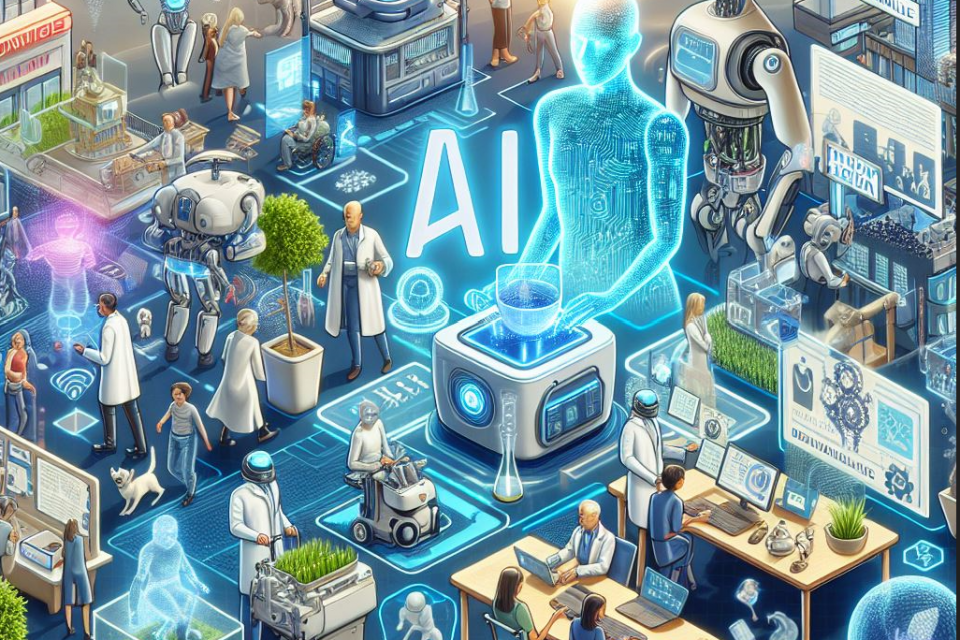
Autonomous “agents” are the future. Unlike traditional bots, these agents think, plan, and act independently. Companies now use them to book meetings, manage data, and even execute multistep workflows across the web—signaling a shift from assistants to operators.
Robotics & Physical AI
Humanoid Robots Come of Age
Figure AI’s humanoid robot “Helix” is setting the pace for robotic labor. Experts suggest humanoid deployment may rival human workforce numbers in certain industries within the decade.
On‑Device Models for Robots
Google DeepMind launched Gemini Robotics On‑Device, allowing AI to function without cloud connectivity. These models bring faster response times and reduce security risks—ideal for healthcare, disaster relief, and home automation.
Efficiency, Costs & Infrastructure
Shrinking Inference Costs
AI processing is now cheaper than ever. Since 2022, inference costs have dropped by more than 280x, driven by hardware innovation and algorithmic optimization. This cost reduction has made advanced AI more accessible across sectors.
Custom Silicon & Cloud Scaling
Companies are designing custom silicon chips to supercharge AI performance. Combined with scalable cloud infrastructure, AI applications are running faster and more efficiently across all industries.
Environmental Impact
Despite efficiency gains, AI’s environmental impact is under scrutiny. Training and deploying large models consume vast resources, prompting calls for greener computing and sustainable development strategies.
Ethics, Governance & Trust
Regulation & Policy
Nations worldwide are stepping up AI regulation. From data privacy to safety benchmarks, 2025 sees a surge in global AI policy creation aimed at curbing potential misuse while encouraging innovation.
Explainable & Responsible AI
Trustworthy AI is a priority. Explainable AI (XAI) models help users understand how decisions are made—essential in fields like healthcare, finance, and law. Companies are adopting “responsible AI” toolkits to ensure fairness and transparency.
Profit Redistribution & Societal Impact
As AI-generated profits skyrocket, discussions about universal basic income (UBI) and AI-driven wealth redistribution are taking center stage. The idea? Let AI-generated value benefit society as a whole.
Bias & Safety Concerns
Despite progress, AI bias remains a problem. Cases like political slant in LLM responses highlight the importance of better guardrails and inclusive data practices.
Sector Trends & Use Cases
Workplace & Education
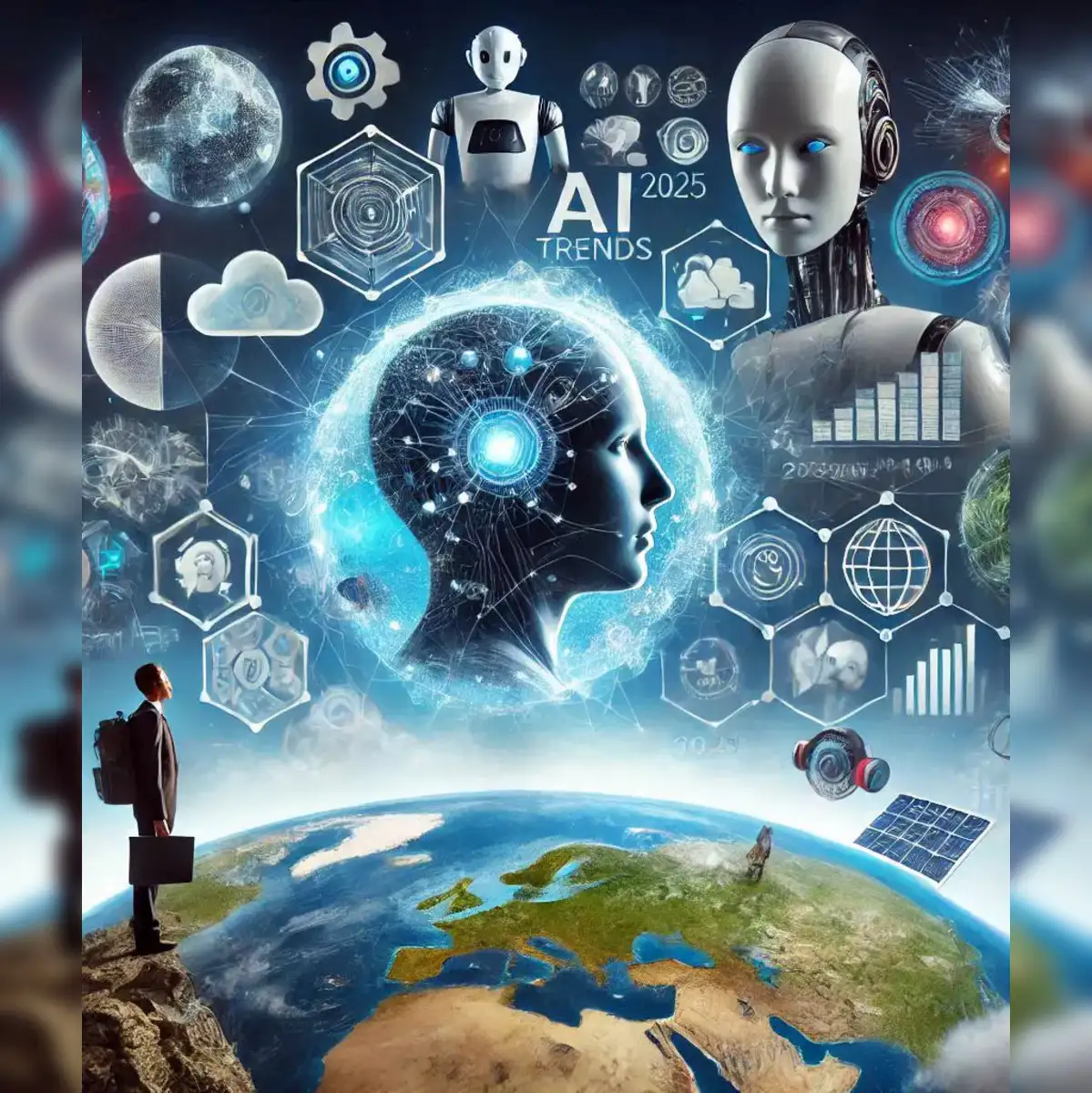
AI has shifted from “how” to “what” and “why.” Agents now perform tasks end-to-end, allowing professionals to focus on strategy and decision-making. In education, AI tutors offer hyper-personalized learning at scale.
Healthcare & Traditional Medicine
WHO and partners are exploring AI’s role in digitizing and personalizing traditional medicine, combining ancient knowledge with modern analytics for more effective treatment.
Creative & Cloud Security
Generative AI tools are reshaping creative industries—from music to marketing. In the cloud, AI-powered security systems now detect threats faster and offer real-time remediation capabilities.
Workforce, Skills & Economics
Job Market Disruption
Entry-level jobs are being automated at a rapid pace. New graduates face stiff competition, while demand surges for AI-literate professionals. Some six-figure roles remain untouched—especially those involving human-centric tasks.
Skills Imperative & Soft Skills
As AI handles more logic-based work, soft skills like leadership, creativity, and ethical reasoning become critical. Companies are aggressively upskilling employees in generative AI and interdisciplinary knowledge.
Conclusion
The AI landscape of 2025 is more powerful, accessible, and complex than ever before. While opportunities abound, they come with responsibility—requiring thoughtful integration, ethical consideration, and lifelong learning. Whether you're a business leader, developer, or curious enthusiast, staying informed and adaptable is the best way to thrive in this AI-powered world.
FAQs
What is agentic AI?
Agentic AI refers to models capable of autonomous decision-making and task execution—beyond simple chatbot functions.
Are humanoid robots really being deployed?
Yes. Companies like Figure AI are piloting humanoids in logistics and manufacturing with scalable plans underway.
How are governments regulating AI?
From Europe’s AI Act to U.S. executive orders, governments are setting rules on transparency, safety, and ethical use.
What jobs are safe from AI replacement?
Roles that require high empathy, judgment, and human connection—like therapists, strategic leaders, and specialized consultants.
How can I prepare for AI's evolution?
Focus on soft skills, interdisciplinary learning, and staying updated with the latest tools and trends.
Comments
Post a Comment